Featured Project: High-H2S & VOC Super Sucker Vacuum Truck Vapor Control – EVAC 6000 Scrubber + Carbon Polishing (TCEQ & EPA BACT Compliance)
In Texas’s Houston-Galveston-Brazoria ozone nonattainment area, 30 TAC Chapter 115: Control of Air Pollution from Volatile Organic Compounds mandates >95% control of VOCs from storage tanks, wastewater, and episodic releases like vacuum truck venting (§115.112 for storage, §115.352 for wastewater), with HRVOC rules (§115.10) requiring combustion devices achieving ≥98% destruction for refinery vents. For H2S-laden streams, EPA’s Best Available Control Technology (BACT) guidelines for thermal oxidizers and NSPS Subpart QQQ: VOCs from Petroleum Refinery Wastewater Systems recommend wet scrubbing (>99% H2S removal) followed by carbon adsorption or oxidation (>99.9% DRE at >1,400°F) to meet MACT/NSPS standards, preventing odor nuisances and HAP exceedances. Envent’s EVAC 6000 integrates these for turnkey compliance, extending carbon life while slashing costs.
The Challenge: 3,000 CFM Super Sucker Truck Venting Sour Tank Bottoms
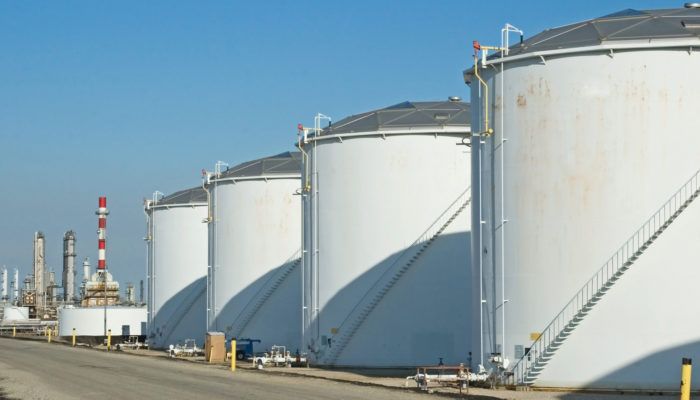
A Texas refinery needed continuous vapor abatement for a 3,000 CFM super sucker vacuum truck extracting sour tank bottoms—laden with 10,000–100,000+ ppm H2S and residual VOCs (benzene, mercaptans)—during a turnaround. Previous carbon-only attempts failed due to rapid H2S blinding, risking TCEQ NOVs under Chapter 115 for uncontrolled VOC/H2S releases (>25 tpy site-wide triggers RACT/BACT).
Key Risks:
- Breakthrough & Safety: H2S saturation blinded beds in <8 hours, causing fires and odors (>10 ppm ambient).
- Regulatory Pressure: Exceedances of §115.121 flare/vent standards could incur $10,000–$100,000/day fines, plus NSPS QQQ reporting for refinery wastewater VOCs.
- Operational Costs: Frequent change-outs disrupted 6+ week job, exceeding $150K in disposal/freight.
Envent’s Solution: EVAC 6000 Recirculating Scrubber + Twin 4K Carbon Beds
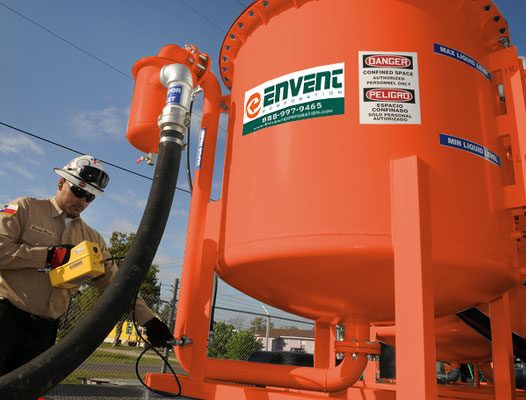
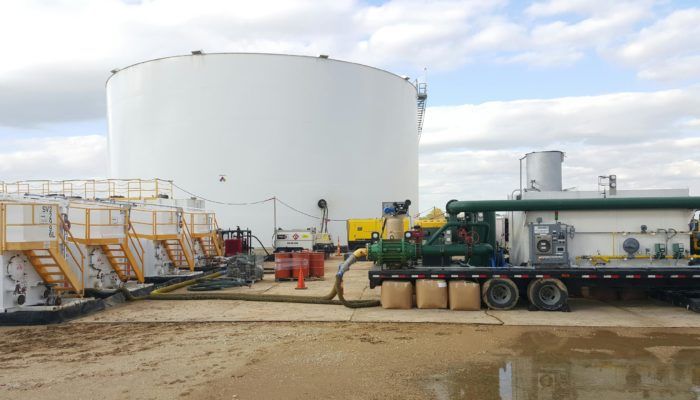
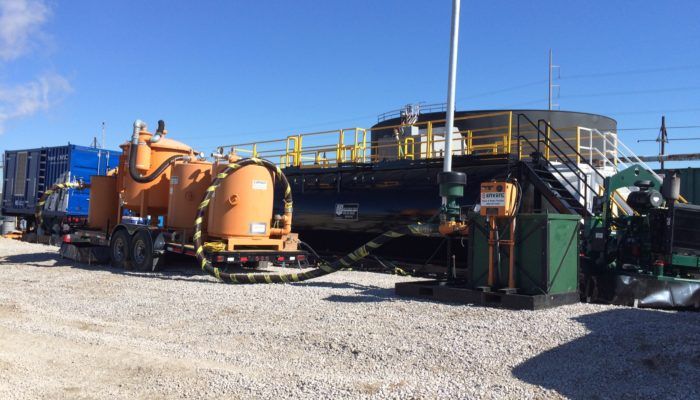
Envent deployed the EVAC 6000—a 6,000 CFM mobile two-stage system permitted under TCEQ minor source rules—routing truck vents via heated flex hoses to prevent condensation.
Treatment Process:
- Stage 1: EVAC 6000 Wet Scrubber: High-efficiency packing with caustic/oxidizer media (NaOH + H2O2) achieved >99.9% H2S removal (inlet 100,000+ ppm → outlet <5 ppm), per EPA BACT for sour gas streams. Automated pH/ORP control and real-time H2S sensors triggered media swaps, avoiding solidification.
- Stage 2: Twin 4,000-lb GAC Vessels: Polished trace VOCs/mercaptans to <1 ppm, extending bed life >30 days vs. competitors’ <8 hours—aligned with Chapter 115 adsorption requirements (§115.112).
- Monitoring & Safety: Continuous analyzers (H2S, LEL, O2) and interlocks ensured NSPS QQQ compliance; stack verified via Method 15 for SO2/H2S.
System ran 100% uptime for 6+ weeks. Explore Envent’s EVAC scrubber rentals.
Official Resources:
- TCEQ 30 TAC Chapter 115: VOC Controls – Storage, wastewater, and HRVOC rules for refinery vents.
- TCEQ HRVOC Controls (Chapter 115 Subchapter C) – 98% destruction for nonattainment areas.
- EPA Thermal Oxidizer BACT – Guidelines for >99.9% DRE in VOC/H2S control.
- EPA NSPS Subpart QQQ: Refinery Wastewater VOCs – H2S/VOC standards for vacuum systems.
Proven Benefits: $100K+ Savings, Zero NOVs, Extended Run Time
Envent’s integrated approach outperformed competitors, delivering TCEQ/BACT excellence:
| Benefit | Project Impact |
|---|---|
| H2S Removal Efficiency | >99.9% — inlet 100K+ ppm → outlet <5 ppm, per EPA BACT. |
| Carbon Life Extension | >30 days vs. <8 hours — met §115.112 adsorption standards. |
| Cost Savings | $100,000+ vs. carbon-only (fewer change-outs, no disposal spikes). |
| Compliance Assurance | Zero odors/NOVs; full records for TCEQ deviation reporting (§115.129). |
| Uptime & Safety | 100% availability; no breakthroughs or fires during turnaround. |
This Texas project reinforces Envent’s leadership in TCEQ Chapter 115 vacuum truck controls, where BACT integration cuts costs and risks.
Facing High-H2S Vacuum Truck Emissions? Get a Free TCEQ BACT Review & Quote Contact Envent’s engineers at 888-997-9465 or email [email protected] for a no-obligation assessment. We’re Texas-ready—explore our scrubber fleet.