Featured Project: Emergency Butadiene Pipeline Depressurization in Texas – TCEQ §106.355 & EPA BACT Compliance (Case Study)
In Texas chemical and petrochemical facilities, 30 TAC §106.355: Pipeline Metering, Purging, and Maintenance permits pipeline depressurization under Permit by Rule (PBR) if emissions comply with 30 TAC §106.4 (de minimis <25 tpy/site for organic compounds) and general conditions like recordkeeping (§106.8), with highly reactive VOCs (HRVOCs) like 1,3-butadiene subject to 30 TAC Chapter 115 HRVOC Controls requiring ≥98% destruction efficiency via combustion devices in nonattainment areas (§115.10, §115.121). Butadiene, a known carcinogen with a reportable quantity (RQ) of 1 lb under 30 TAC §101.1 Definitions, triggers immediate spill reporting (§101.201) for releases >RQ, plus episodic release notifications. EPA’s BACT Guidelines for Thermal Oxidizers recommend enclosed thermal oxidation (>99% DRE at >1,400°F) for butadiene venting to meet NSPS Subpart OOOOa/b and NESHAP standards (40 CFR Part 63 Subpart F), preventing explosion risks from its low LEL (2%). Envent’s EMECS units provide mobile, rapid-response compliance for these high-hazard events.
The Challenge: Nighttime Emergency Depressurization of 13-Mile Butadiene Pipeline
A Texas chemical plant faced an urgent nighttime call-out to depressurize a 13-mile section of 12-inch pipeline filled with 1,3-butadiene at 250 PSIG to 0 PSIG, due to integrity concerns. Butadiene’s extreme flammability (flash point -105°F, autoignition 780°F) and toxicity (acute RQ 1 lb, chronic cancer risk) posed immediate explosion and health risks, especially in a populated industrial corridor.
Key Risks:
- Emission & Safety Hazards: Depressurization could release 10,000+ lbs of butadiene vapors, exceeding §101.1 RQ and triggering Chapter 115 HRVOC limits (>25 tpy site-wide risks RACT/BACT review). Uncontrolled venting risked ignition (LEL 2%) or odor complaints (>0.2 ppm detectable).
- Regulatory Pressure: TCEQ requires 24-hour spill reporting (§101.201) and PBR compliance under §106.355 for purging/maintenance; non-compliance incurs $10,000–$100,000/day fines plus EPA NESHAP violations for HAPs.
- Operational Urgency: Middle-of-night response needed to minimize downtime; delays could halt production and escalate to full shutdown.
Envent’s Rapid Solution: Dual EMECS 42 Mobile Thermal Oxidizers
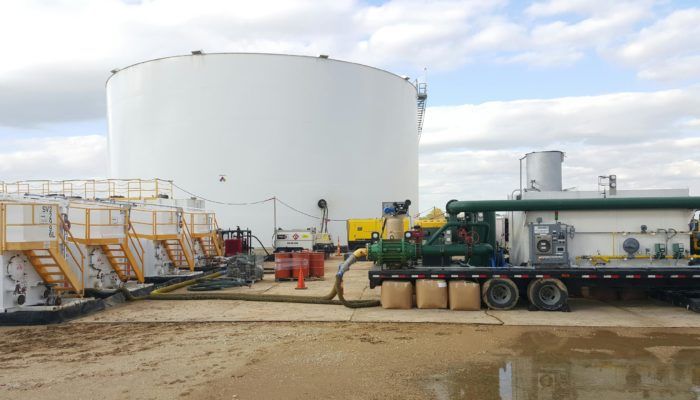
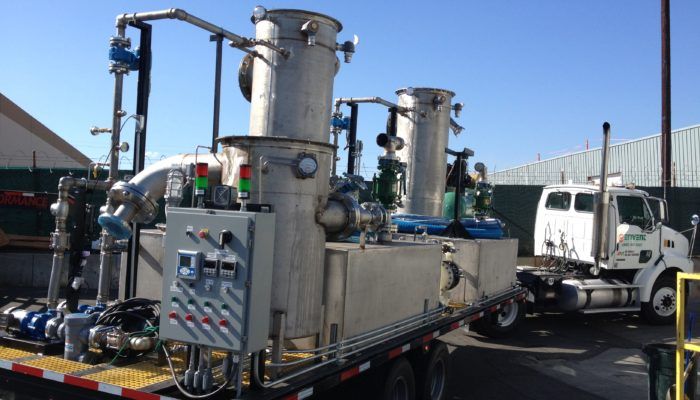
Envent’s 24/7 engineering team engineered a turnkey plan and mobilized within 2 hours, securing TCEQ verbal authorization under §106.355 PBR for emergency depressurization. Vapors were routed from pipeline endpoints via temporary manifolds to two parallel EMECS 42 units (each 42 million BTU/hr, 1,000+ scfm capacity).
Treatment Process:
- Vapor Routing & Depressurization: Controlled bleed-down from 250 PSIG using automated valves and flow meters, displacing vapors at up to 2,000 scfm total—preventing pressure surges per API 570 pipeline integrity standards.
- Thermal Oxidation: EMECS units preheated to >1,500°F for >99% destruction efficiency (DRE) of butadiene to CO2/H2O, exceeding EPA BACT and Chapter 115 HRVOC requirements (§115.121 combustion standards)—with 0.5-sec residence time and turbulence mixing to handle variable loads. Flame arrestors and auto-ignition ensured safe handling of flammable streams.
- Monitoring & Safety: Real-time LEL (<10%), pressure, and temperature sensors; stack verified via EPA Method 25A for VOCs (<0.1 lb/hr post-DRE). Full telemetry to Envent’s control center for remote oversight.
The line reached 0 PSIG in <8 hours with zero emissions exceedances. For butadiene-specific applications, explore Envent’s EMECS thermal oxidizer rentals.
Official Resources:
- TCEQ 30 TAC §106.355: Pipeline Purging & Maintenance PBR – Conditions for depressurization without case-by-case permits.
- TCEQ 30 TAC Chapter 115: HRVOC Controls – ≥98% destruction for butadiene in nonattainment areas.
- TCEQ 30 TAC §101.1: Reportable Quantities (RQ) – 1 lb RQ for butadiene spills.
- EPA Thermal Oxidizer BACT – >99% DRE for VOC/HAP venting like butadiene.
- EPA 1,3-Butadiene Hazard Summary – Toxicity and emission controls.
Proven Benefits: Incident-Free Completion, Commendation, & Regulatory Assurance
Envent’s swift execution averted disaster, earning praise from the project manager and reinforcing our Texas chemical expertise:
| Benefit | Project Impact |
|---|---|
| Response Time & Uptime | On-site in 2 hours (nighttime) — line depressurized in <8 hours, minimizing downtime. |
| Emission Reductions | >99% DRE prevented 10,000+ lbs butadiene release, meeting §106.355 de minimis & Chapter 115 HRVOC limits. |
| Safety & Risk Mitigation | Zero incidents/explosions; LEL controls avoided RQ spill reporting (§101.201). |
| Compliance Assurance | Full PBR records for TCEQ audits; aligned with EPA BACT—no NOVs or fines. |
| Client Recognition | Commendation for engineering precision and 24/7 reliability. |
This Texas pipeline success underscores Envent’s dominance in TCEQ §106.355 butadiene controls, where rapid thermal oxidation prevents high-stakes liabilities.
Emergency Pipeline Depressurization Needed? Get a Free TCEQ PBR Review & Quote Contact Envent’s on-call engineers at 888-997-9465 or email [email protected] for a no-obligation assessment. We’re Texas 24/7—explore our EMECS fleet.